The Art of Rewearing: How to Rewear Clothes Without Looking Repetitive
- Dec 12, 2025
- 4 min read
Rewearing clothes isn’t a styling problem — it’s a mindset shift.
We’ve been conditioned to believe that repeating outfits signals a lack of creativity, effort, or taste. But in reality, the women who dress with the most confidence aren’t constantly reinventing themselves. They’re refining.
Learning how to rewear clothes without looking repetitive isn’t about owning fewer things for the sake of minimalism. It’s about understanding how repetition actually creates style — when it’s done with intention.
This is the difference between looking stuck and looking grounded.
Why Rewearing Clothes Is a Style Advantage (Not a Compromise)
Rewearing isn’t new — it’s just been mislabeled.
For decades, style icons have relied on repetition as a signature:
The same silhouettes
The same color families
The same formulas, over and over
What makes it work is not variety — it’s consistency.
When you rewear clothes thoughtfully, you:
Reduce decision fatigue
Strengthen your personal style identity
Signal confidence instead of trend-chasing
Repetition only looks boring when there’s no point of view behind it.
How to Rewear Clothes Without Looking Repetitive
1. Repeat the Piece — Change the Context
The fastest way to avoid looking repetitive is to stop treating clothes as standalone items.
Instead, think in contexts:
Work
Weekend
Evening
Travel
The same trousers can feel entirely different depending on:
Footwear
Outerwear
Hair and accessories
Rewearing works when the role of the piece changes — not the piece itself.
2. Build Outfit Formulas You Can Rotate
Style doesn’t come from endless combinations. It comes from reliable formulas.

A structured blazer paired with relaxed denim creates instant balance. The sharpness up top keeps the look intentional, while the looser silhouette below makes it feel modern and lived-in. This contrast is one of the easiest ways to rewear pieces without an outfit ever feeling stale — polished, but never try-hard.
Shop This Look
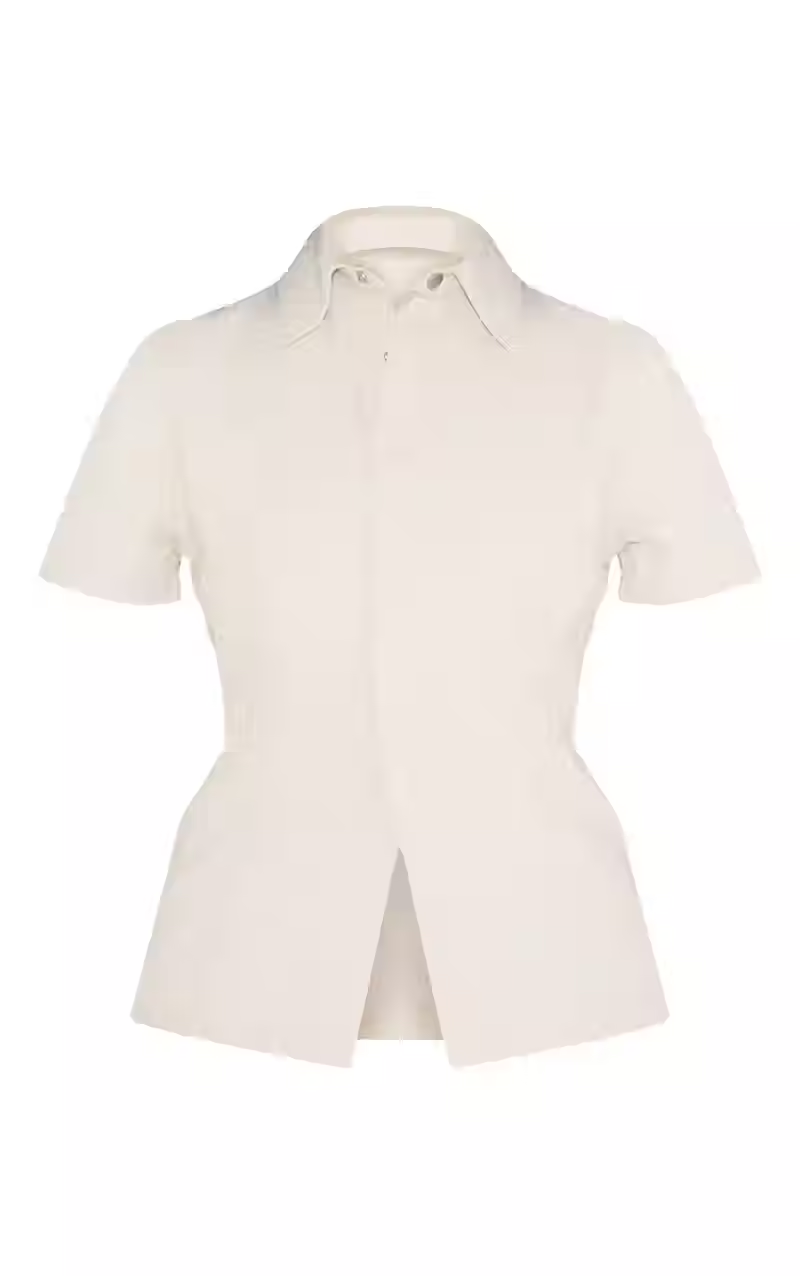


A tailored trench over a relaxed knit creates contrast without complication. The structure adds polish; the softness underneath keeps it effortless. This balance is what makes an outfit feel elevated — not overstyled.
Shop This Look


A head-to-toe neutral look feels elevated when it’s anchored by one intentional accessory. Clean lines and a soft palette stay polished because the belt defines the waist and the structured bag adds contrast without overpowering the outfit.
Shop This Look


Once you find formulas that work for your body and lifestyle, rewearing becomes seamless. You’re not repeating outfits — you’re repeating logic.
This is one of the most overlooked strategies for rewearing outfits without looking repetitive.
3. Keep the Silhouette Familiar, Shift the Details
Repetition feels intentional when the silhouette stays consistent.
What changes instead:
Fabric texture
Shoe shape
Jewelry scale
Hair styling
A familiar outline gives cohesion. The details keep it visually fresh.
This is why rewearing often looks more elevated than constantly switching silhouettes — your style reads as deliberate, not experimental.
Why Repetition Is the Real Luxury Signal
Luxury doesn’t rely on novelty.
It relies on:
Ease
Confidence
Predictability done well
When you rewear clothes without apology, you signal that you’re not dressing for validation. You’re dressing from clarity.
And clarity always reads as taste.
Editing Makes Rewearing Look Intentional
If rewearing feels stale, the issue usually isn’t the outfit — it’s the clutter around it.
Before adding anything new:
Remove pieces that don’t support your core silhouettes
Identify which outfits you naturally repeat
Let go of items that interrupt cohesion
A smaller, clearer wardrobe makes repetition look intentional instead of accidental.
Rewearing Is About Identity, Not Inventory
The women who rewear outfits best aren’t worried about being “seen” in the same thing.
They know:
What works
What represents them
What doesn’t need explanation
That confidence transforms repetition into a signature.
How Rewearing Fits Into a More Elevated Way of Dressing
This idea of rewearing isn’t happening in isolation. It’s part of a bigger shift away from consumption and toward clarity.
In Luxury Without the Label, we talked about how true luxury comes from restraint, fit, and consistency — not novelty. In How to Look Put Together Without Buying New Clothes, we explored how polish comes from refinement, not constant newness. And in The Pieces That Make Every Outfit Look More Expensive, we broke down how a few intentional elements quietly elevate everything else.
Rewearing is where all of that comes together in practice.
Because once you stop chasing “different,” you start building something recognizable — a personal rhythm, a visual consistency, a sense of certainty in how you show up.
The Takeaway
If you want to master how to rewear clothes without looking repetitive, stop asking how to look new — and start asking how to look intentional.
The most elevated wardrobes don’t rely on novelty.They rely on knowing exactly what’s worth repeating — and wearing it with confidence.
That’s not a lack of style. It’s proof that you have one.


Comments